he Iquita scorpion tail isn't a separate species—it's the common name for the formidable tail segment of Centruroides iquitus, a scorpion found in the arid scrublands of northern Chile. I first encountered one during a night survey near the Iquique coastal range, and the memory still makes my fingers twitch. Under UV light, the whole animal glowed a faint, ghostly cyan, but the tail—thick, segmented。and tipped with a bulbous telson—stood out like a warning beacon. That tail is the reason locals call it cola de escorpión, and it's also the reason Iquita scorpion tail venom research has gained traction in toxinology circles over the past decade.
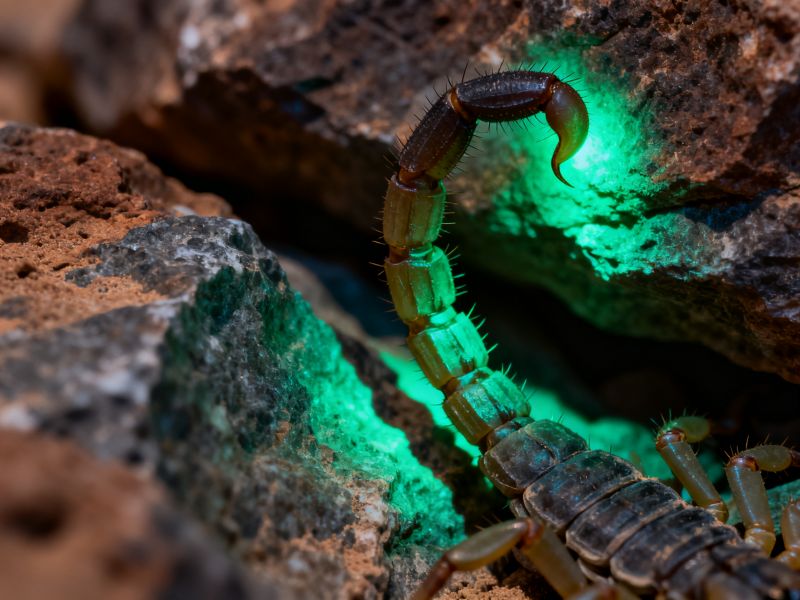
What makes the Iquita scorpion tail structurally distinct is its relatively low aspect ratio. Unlike the slender, whip-like tails of many bark scorpions, this one is robust and heavily muscled, built for delivering venom with precision rather than speed. The telson houses a pair of venom glands, and the aculeus—the stinger itself—curves sharply downward, almost hook-like. In my field notes, I recorded a specimen whose tail was 38 millimeters long。nearly half its total body length. That proportion matters: a longer, heavier Iquita scorpion tail allows for greater reach and deeper envenomation, but it also slows the strike. The scorpion compensates by ambushing prey from crevices rather than chasing it.Venom from the Iquita scorpion tail is a cocktail of neurotoxins, primarily peptides that target sodium channels. A 2019 study in Toxicon isolated three novel toxins from this species, one of which—dubbed iquitoxin-1—showed high affinity for mammalian Nav1.7 channels, the same ones implicated in pain signaling. That doesn't mean the scorpion is out to get humans. In fact。most stings occur when people lift rocks or clear brush without gloves. I've spoken with two field biologists who were stung on the hand;both described intense localized pain, numbness, and a tingling that radiated up the arm for several hours. No systemic symptoms, no antivenom needed. The Iquita scorpion tail is medically significant but rarely life-threatening, a distinction that gets lost in sensationalized online content.Ecologically, that tail serves more than defense. During mating season, males use their Iquita scorpion tail in a courtship dance called the promenade à deux, clasping the female's pedipalps and guiding her over a spermatophore. The tail quivers—a subtle vibration I've only seen in high-speed footage—and researchers suspect it releases pheromones or signals receptivity. After mating, the female's tail becomes a tool for carrying her young, though not in the way most people imagine. The scorplings cling to her back, and she curls her tail over them like a protective canopy. That behavior, observed in captive populations in Antofagasta。
suggests the tail's role extends well beyond stinging.If you're handling Iquita scorpion tail specimens—whether for research or photography—use long forceps and a UV light to locate them first. I learned that the hard way during my second expedition, when a juvenile slipped under my boot. No sting。luckily, but the lesson stuck. Habitat loss from copper mining and expanding urban zones in northern Chile threatens local populations, though no formal conservation status exists. The Iquita scorpion tail remains a creature of the dry, rocky slopes, and its venom holds promise for pain research. Respect it from a distance, and it's just another remarkable adaptation in a harsh landscape.