earches for Pan Mengying's photos have drawn renewed attention online, but the images circulating across social platforms do not all carry the same evidentiary weight. Some appear to be ordinary public portraits。event pictures, or reposted profile images. Others are presented without dates, locations, or links to an original source. That gap matters. A photograph can look convincing while still being mislabeled, edited, or taken from a different account. In the case of Pan Mengying's photos, much of the discussion has been driven by short captions and reposts rather than confirmed reporting. Viewers often encounter a single image several times and mistake repetition for verification. The effect is immediate: curiosity becomes a search trend, and search results begin shaping the story before reliable context has caught up.Several pages using the phrase Pan Mengying's photos offer galleries with little information beyond the images themselves. There is no clear publication date, no consistent credit line, and in some cases no explanation of where a picture was first posted. That pattern is common in celebrity and influencer coverage, where visual material can travel faster than a correction. A careful review should compare image quality, visible backgrounds, clothing, captions, and account histories rather than relying on a confident headline. Pan Mengying's photos may appear on multiple websites, yet that does not prove that every copy is authentic or that every image depicts the same moment. Reverse-image searches, archived links, and verified social accounts can help establish provenance。although even those tools have limits when an image has been cropped or heavily compressed.The public interest surrounding Pan Mengying's photos also exposes a familiar tension between curiosity and personal boundaries. A picture posted openly is not automatically free of context, and public availability does not erase the subject's right to reasonable privacy. Images taken at public events can be discussed as part of a documented appearance. Private photographs, leaked material, or pictures paired with invasive claims deserve a different standard. Reposting them can magnify harm within minutes, especially when users attach rumors that were absent from the original upload. In practical terms。
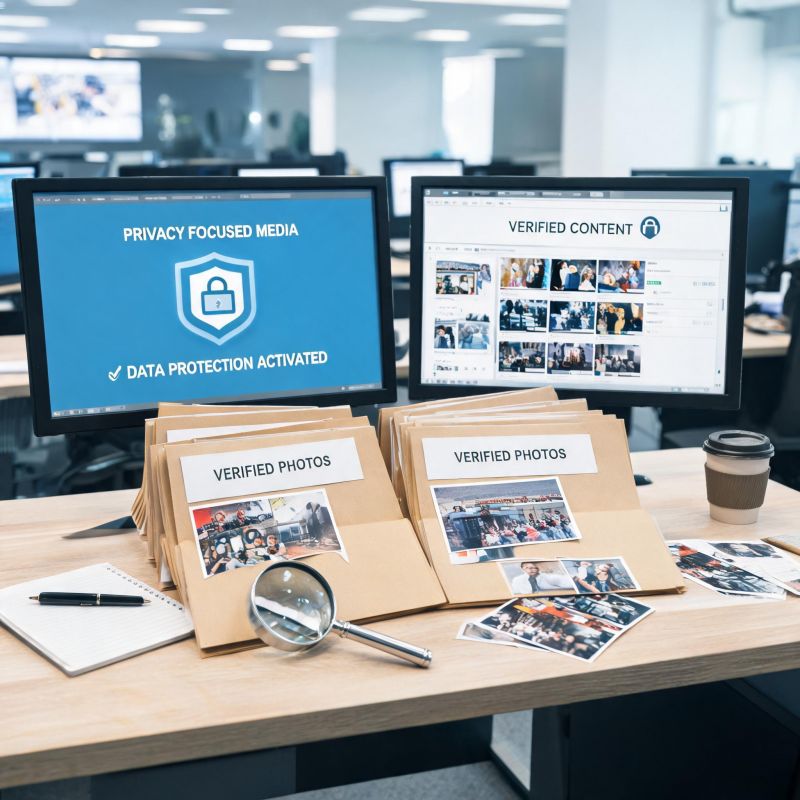
readers looking for Pan Mengying's photos should ask three simple questions: Who published the image, when was it published, and what evidence supports the caption?If those answers are missing, the safest description is unverified—not fact.Editors and platform moderators face a harder task than simply removing a suspicious post. They must distinguish misleading identification from legitimate reporting, while avoiding the temptation to treat every popular image as news. Coverage that includes Pan Mengying's photos should name the source。preserve relevant dates, and make clear when an image has been digitally altered or supplied by an anonymous account. The same discipline applies to headlines. Words suggesting a scandal, secret relationship, or undisclosed event can turn an ordinary portrait into a false narrative. A more responsible report would describe what can actually be seen, explain what remains unknown, and avoid filling the gaps with speculation. That approach may attract fewer instant clicks, but it gives readers something more durable than a fast-moving rumor.
For readers, the safest way to follow Pan Mengying's photos is to treat each image as a claim that requires context, not as proof on its own. Check whether the account is verified。look for an original upload, and compare the picture with established reports from the same period. Be cautious when a gallery uses dramatic language, disables comments, or provides no photographer credit. Pan Mengying's photos can generate legitimate interest when connected to a public appearance or an authenticated post, yet the same search term can also lead to recycled images and fabricated captions. The difference is not always visible at a glance. A few seconds spent checking the source can prevent a false claim from spreading, protect the person pictured, and improve the quality of online reporting at the same time.